

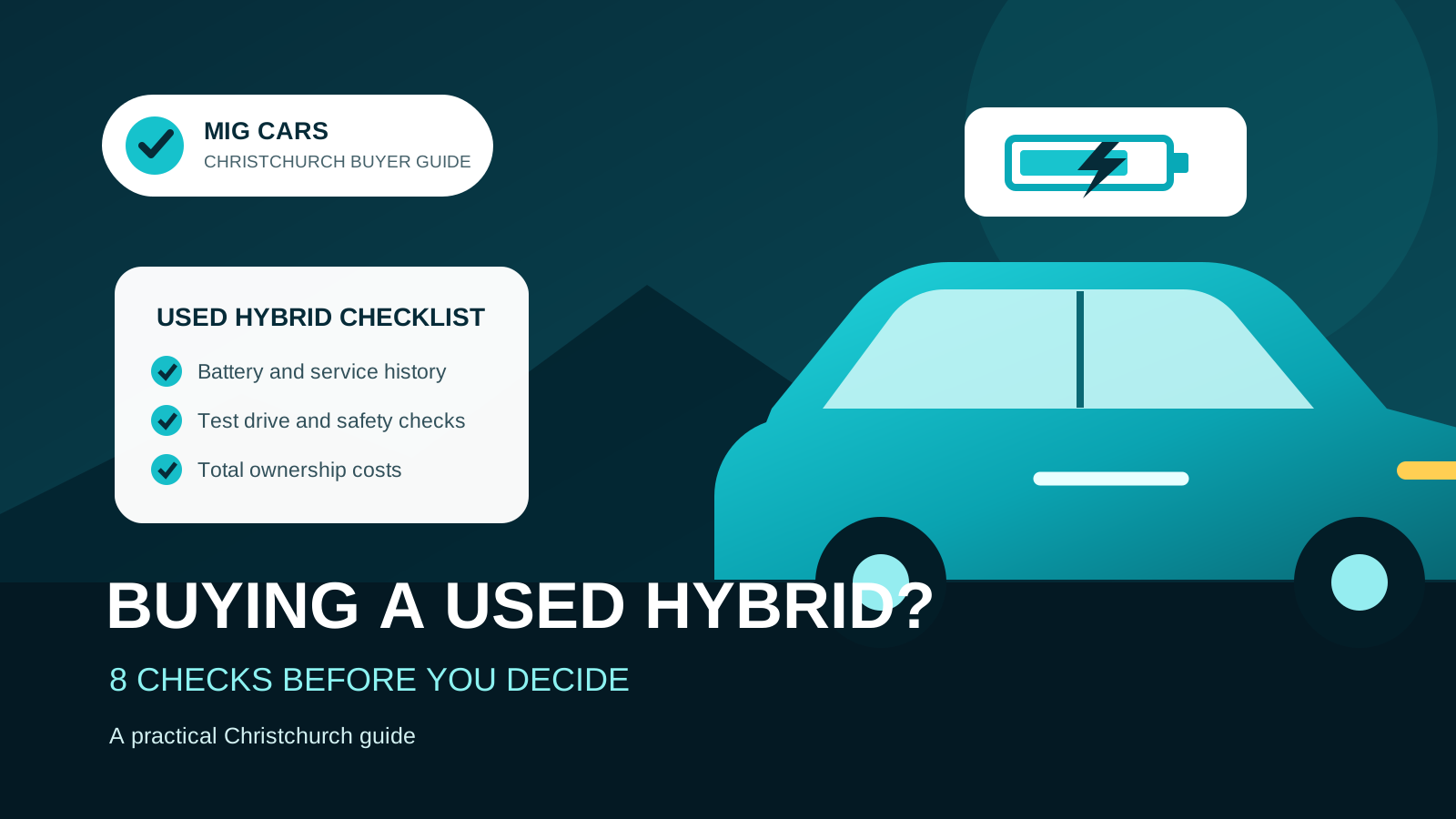
A used hybrid can be a practical choice for Christchurch driving, especially when regular trips include urban traffic and frequent stops. The best choice still depends on how and where you drive, the vehicle's condition, and the total cost of ownership. Use these eight checks to compare cars consistently.
1. Match the hybrid type to your driving
A conventional hybrid charges its battery while driving and does not plug in. A plug-in hybrid can also be charged from an external power supply, while a battery electric vehicle has no petrol or diesel engine. Gen Less explains the differences in its New Zealand guide to electric and hybrid vehicles. Think about your normal weekday distance, longer weekend trips, parking and whether reliable charging is available.
2. Compare real-world running needs
Fuel economy labels are useful for comparing vehicles, but your result will vary with traffic, temperature, load, tyre pressure and driving style. A hybrid often makes good use of regenerative braking in town. If most of your driving is long, steady open-road travel, compare the expected saving with an efficient petrol model before deciding.
3. Read the Consumer Information Notice
A registered dealer must provide an accurate Consumer Information Notice for a used vehicle. It includes details such as the vehicle identity, odometer, cash price, registration history and whether money is owing. Read it carefully and keep your signed copy. Consumer Protection explains the notice and dealer obligations in its dealer buying guide.
4. Check service and ownership records
Ask for available service invoices, handbook records and evidence of scheduled maintenance. Look for consistency between dates and odometer readings. Imported vehicles may have different specifications from New Zealand-new versions, so confirm the exact model, features and compatible replacement parts rather than relying only on the badge.
5. Ask about the traction battery
The high-voltage battery is different from the small 12-volt battery. Ask whether a battery health report, diagnostic scan or previous battery work is available. Battery condition depends on age, use, temperature and maintenance, so mileage alone does not tell the whole story. For a plug-in hybrid, also inspect the charging cable and confirm that it suits the vehicle and your intended charging setup.
6. Take a varied test drive
Start the car from cold if possible. Drive at low speed, through normal city traffic and on a faster road. Check that power delivery feels smooth, the brakes operate consistently, climate control works and no warning lights remain on. Listen for suspension noise and check that the vehicle tracks straight.
7. Check safety, recalls, WoF and licence
Use the vehicle details to check its safety rating and outstanding recalls. NZ Transport Agency recommends checking safety ratings and recall information when buying used. Its used-car buying advice is a useful starting point. Confirm the current WoF and vehicle licence, while remembering that a WoF is a minimum safety inspection rather than a complete mechanical assessment.
8. Compare the whole cost
Include the purchase price, finance costs, insurance, fuel, servicing, tyres and likely ownership period. If finance is required, compare the interest rate, fees, repayment frequency and total amount payable. A lower weekly figure can still cost more overall when the term is longer.
Make a shortlist, then compare side by side
Choose two or three vehicles that meet your space, budget and driving needs, then compare condition, records and test-drive impressions. Browse current hybrid vehicles at MIG CARS, review the vehicle finance information, or contact the MIG CARS sales team to arrange a viewing or test drive at one of our Christchurch locations.